
Citizens
Access help, announcements, communication, and essential services through the local PBB network.
Offline-first · Local-node first · Public service
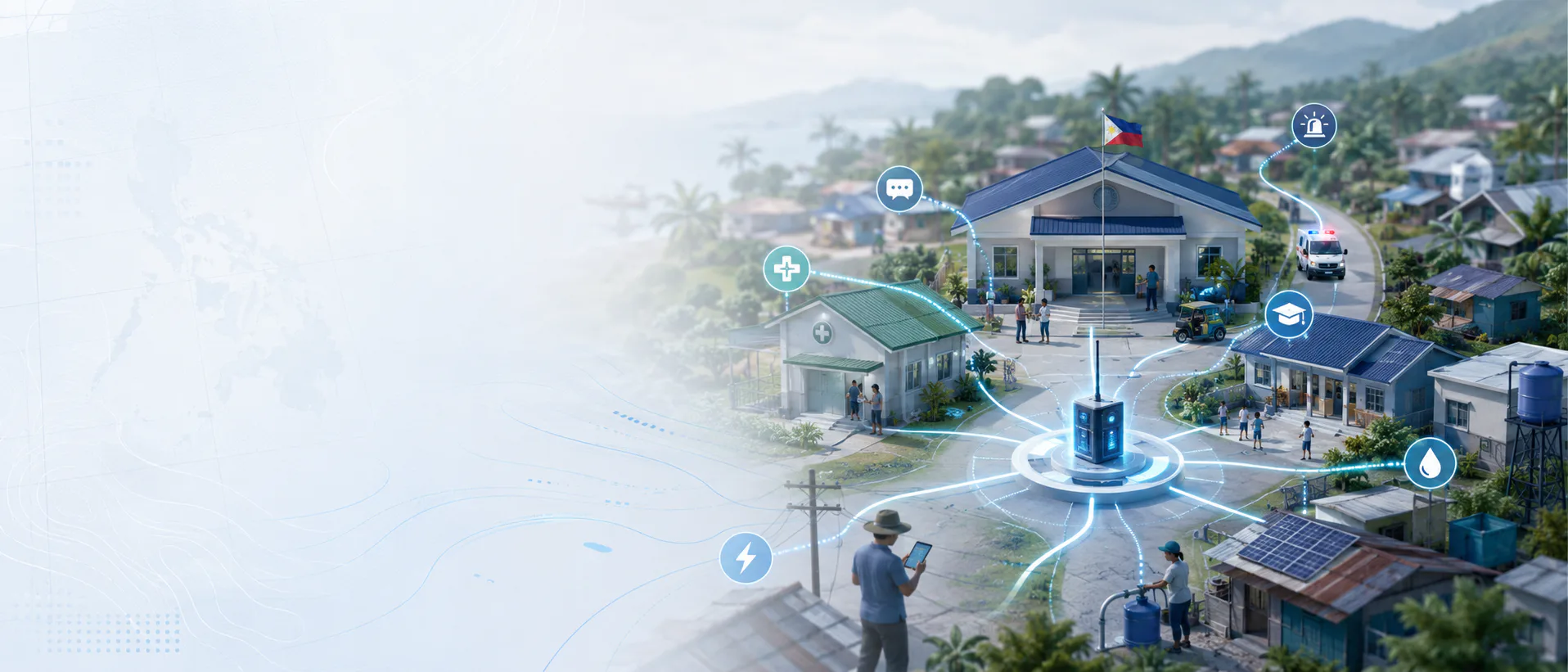
Project Bantay Bayan helps barangays, LGUs, health centers, responders, schools, NGOs, donors, and utilities keep essential local services available when connectivity is weak, intermittent, or unavailable.
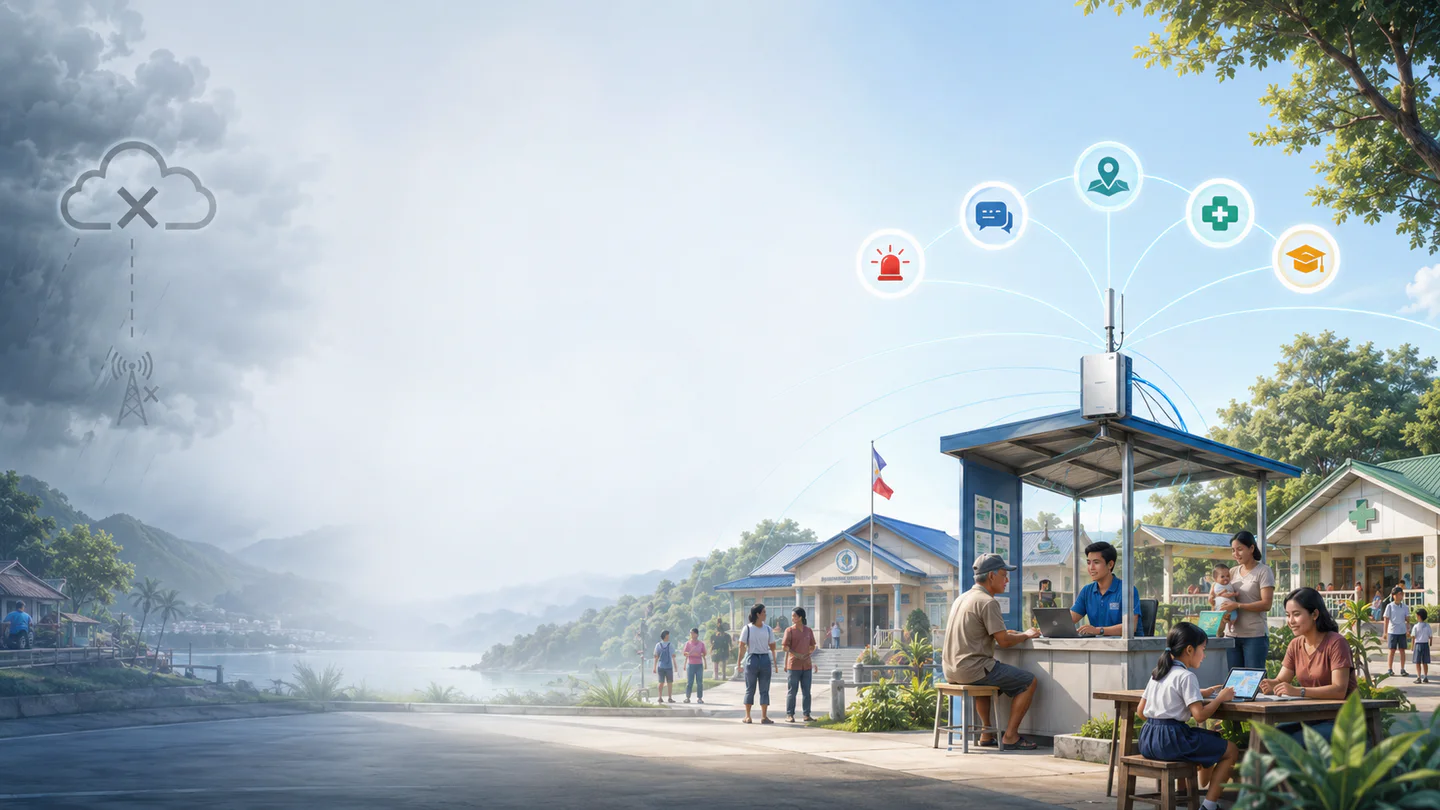
Local services should not stop just because the internet stops.
Core continuity promise
PBB places useful digital services on a local node so the community network can continue serving people without a constant cloud connection.
Who benefits
PBB supports everyday public-service work and coordinated readiness across local institutions.
Access help, announcements, communication, and essential services through the local PBB network.
Operate a local digital front desk for reports, advisories, maps, and coordination.

Support local continuity efforts and contribute resources during disruptions.

See structured reports, support requests, and service status from the barangay level.
Keep basic health workflows and continuity-of-care support available locally.
Receive clearer incident context when events may affect essential services.

Use local learning and preparedness content even when mobile data is unreliable.

Fund a living resilience capability that communities can use before and during emergencies.
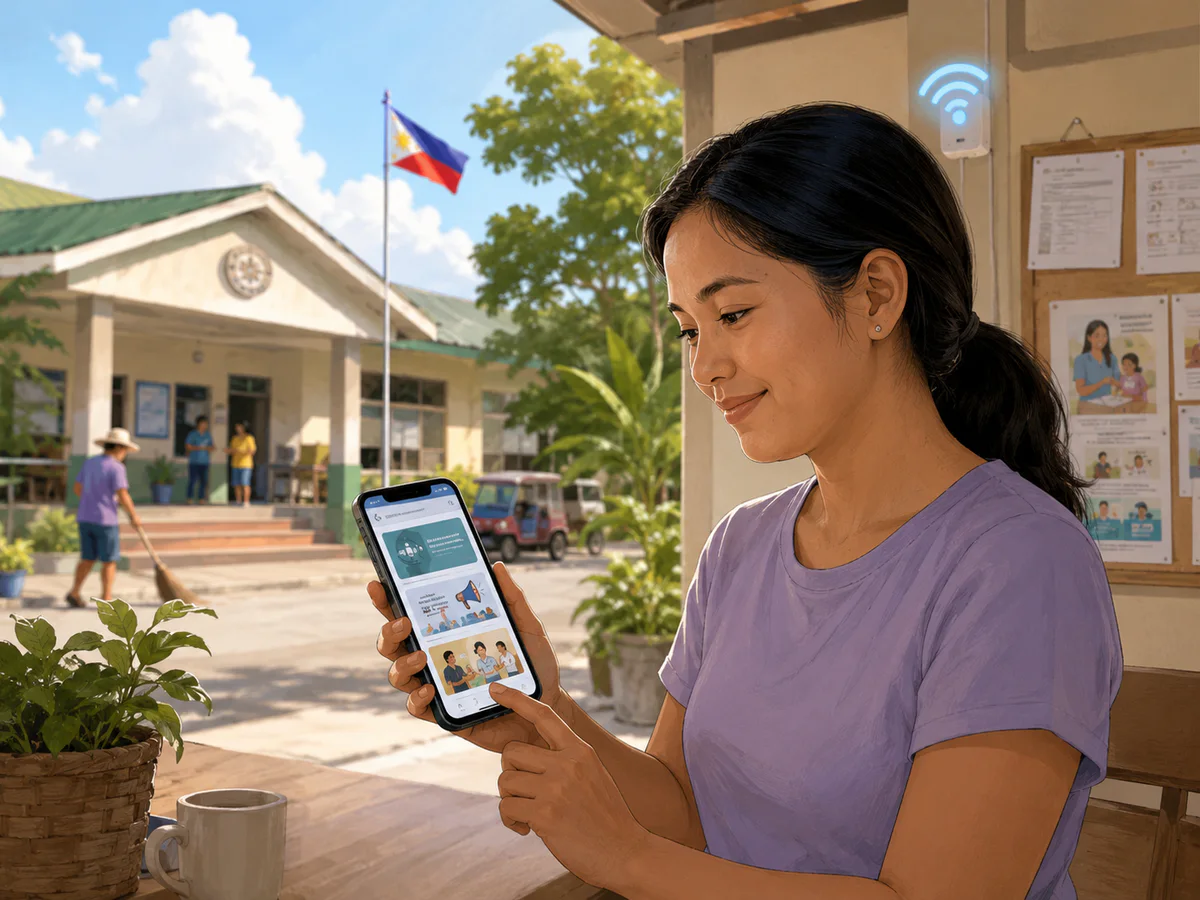
Daily-use adoption
A citizen may use the local network for announcements, health schedules, learning content, and community messages. When disruption arrives, that familiar network becomes a reporting and coordination channel.
Daily use creates habit. Habit creates adoption. Adoption creates readiness.
How PBB works
“Offline-first” in PBB normally means local-server and LAN continuity. It does not mean every browser has a durable queue or every application database is synchronized.
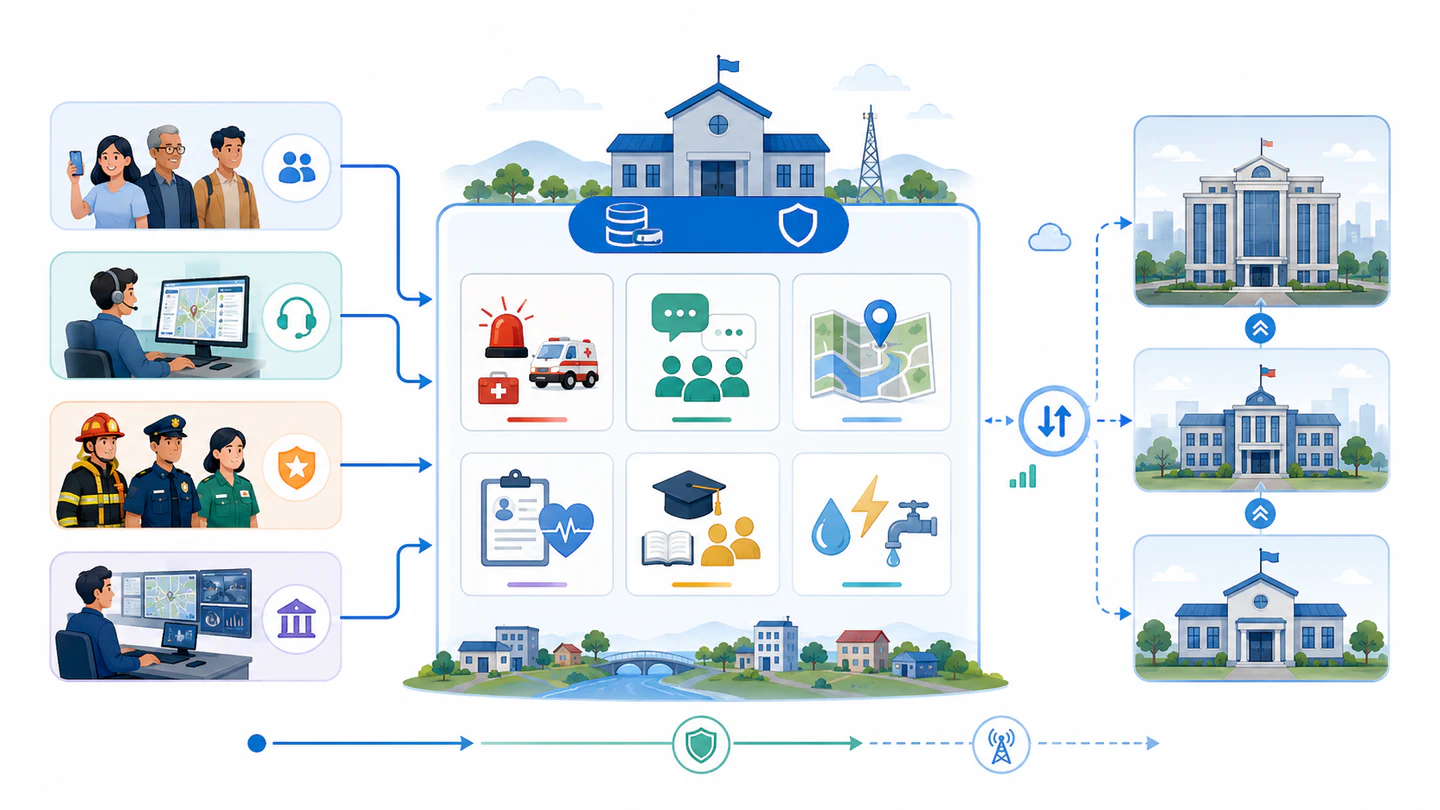
Featured modules
Local emergency intake, incident handling, command reporting, and support coordination.
Explore VoxLocal patient registry and continuity-of-care workflows for community health services.
Explore NataliumLocal evacuation-center registration, occupancy, and relief-receipt operations in active development.
Explore SalusLAN-local rooms, direct messages, moderation, and emergency handoff for community communication.
Explore CivitasGoverned cloud releases and a local offline catalog for public knowledge resources.
Explore LibriaA local learning gateway connecting providers, catalogs, and learning instances.
Explore LumariaInbound incident context and local mission coordination for designated utility operators.
Explore VenaConsolidates SITREPs and manages support-request lifecycles at designated support nodes.
Explore ImperiumDeployment model
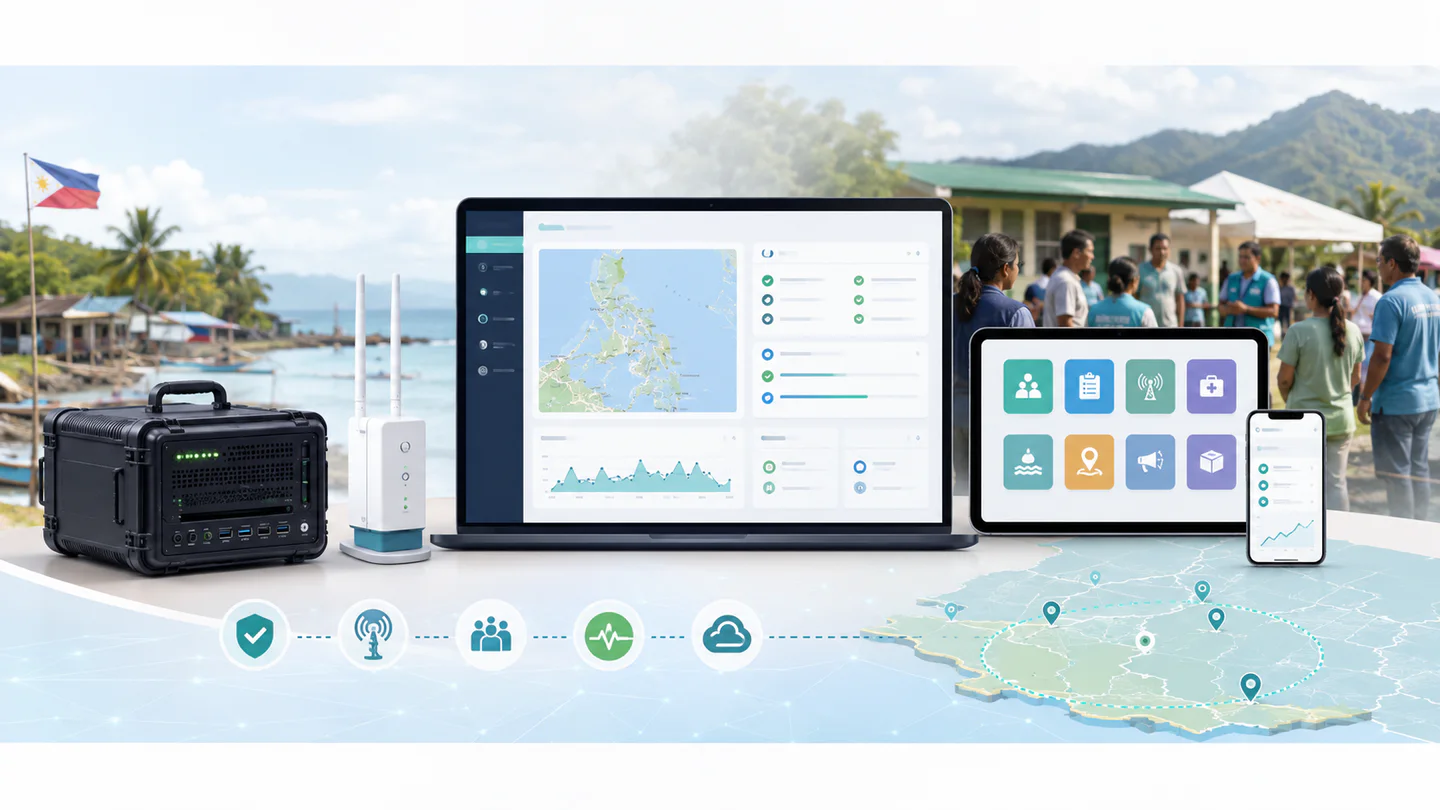
Baseline, optional, and specialized modules can be placed at barangay, command, health, learning, knowledge, field, support, or utility nodes according to real operating needs.
PBB provides the coordinated software platform and managed support layer.
Servers, networking, connectivity, power, travel, training, and field equipment are scoped separately unless explicitly bundled.
Node placement follows service ownership, privacy boundaries, and the realities of the local environment.
Readiness snapshot
PBB has a strong integrated software foundation and is ready for structured pilot discussions. The next phase focuses on deployment hardening, security policy, data retention, field runbooks, and production-scale operations.
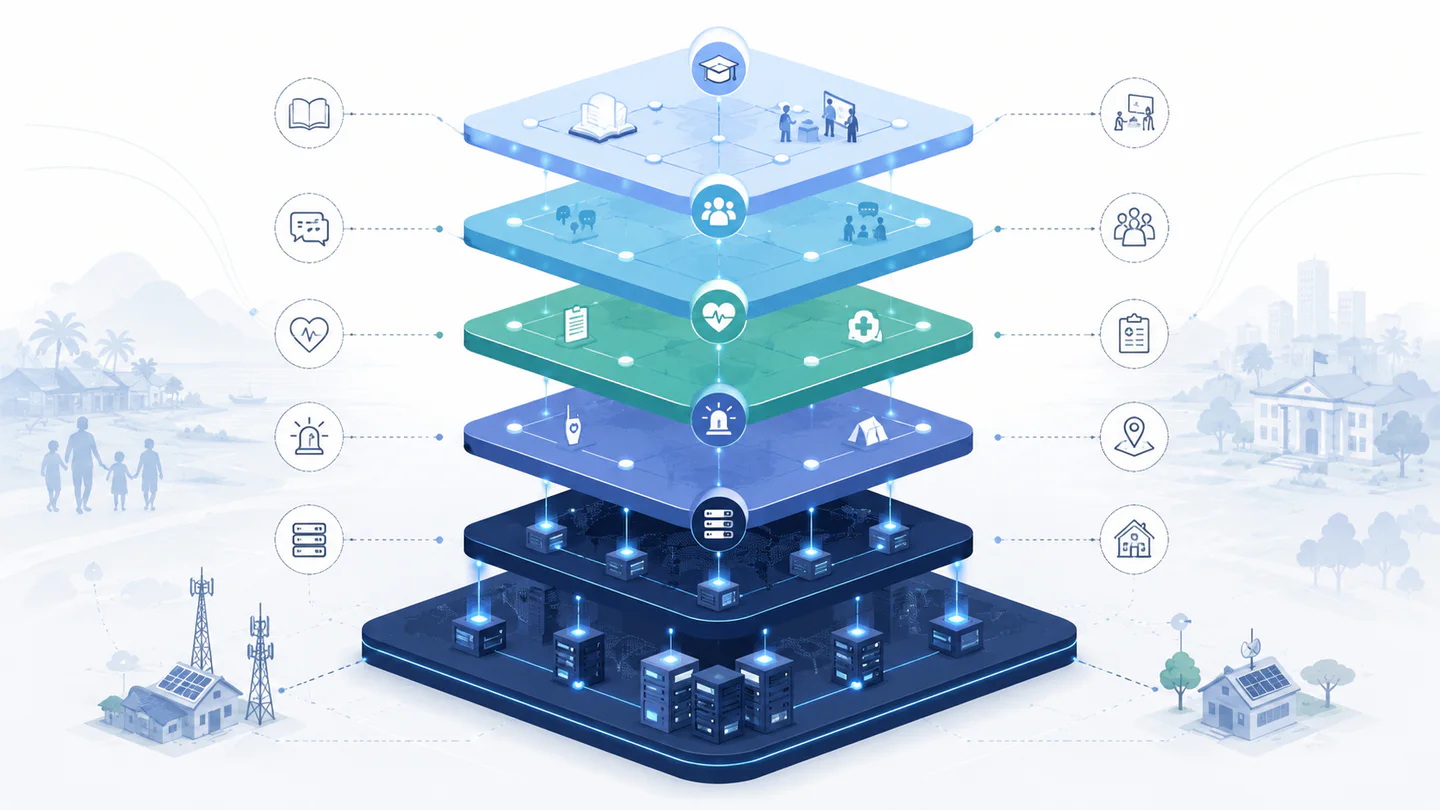
Technology foundation
The Wizaya Server Suite supplies local identity, selective relay delivery, live events, prepared maps, observer-only worker telemetry, a local launcher, and deployment tooling.
These components make PBB modules operate as one coordinated platform. They are not presented as separate citizen apps.
See the infrastructure layer →Briefing and pilot discussion
Request a briefing, explore a partnership, or discuss a structured pilot. Submitting uses the existing Formspree endpoint; if it is unavailable, your email application opens as a fallback.